Are you looking for a Vietnamese Speaking Specialist Support Coordinator to help manage a complex NDIS plan?
At Viangelic, we provide culturally responsive NDIS Specialist Support Coordination (Level 3) for participants who experience complex support needs, significant barriers, multiple service providers, psychosocial challenges, accommodation transitions, or risks of service breakdown.
Our bilingual Vietnamese-English team can support participants and families to better understand their NDIS plan, coordinate services, communicate with providers, identify gaps in supports and build a more stable and effective support network.
👉 If your NDIS plan includes Specialist Support Coordination, contact Viangelic to discuss your needs and current service capacity across Melbourne and Sydney .
🧭 What Is NDIS Specialist Support Coordination?
Specialist Support Coordination, commonly known as Level 3 Support Coordination, is designed for NDIS participants who require a higher level of assistance because of complex circumstances or significant barriers.
It goes beyond simply finding providers or booking services.
A Specialist Support Coordinator works with the participant, family, providers and other relevant services to help create a coordinated and sustainable support environment.
This may involve:
| 📋 Implementing a complex NDIS plan |
| 🤝 Coordinating multiple providers and services |
| 🚧 Identifying barriers preventing supports from working |
| ⚠️ Managing risks of service breakdown |
| 🏠 Supporting transitions between services or accommodation |
| 🏥 Liaising with health, housing, education and community services |
| 🔄 Helping establish clearer roles between providers |
| 💡 Building the participant's capacity to understand and manage supports |
| 📝 Assisting with evidence and information relevant to NDIS reassessments |
The overall goal is to help the participant achieve greater stability, choice, independence and control.
👥 Who May Need Level 3 Specialist Support Coordination?
Specialist Support Coordination may be suitable when a participant experiences significant complexity in their support environment.
🧩 Complex Disability Support Needs
Some participants require support from several different professionals at the same time.
This may include:
- 🧑⚕️ Occupational Therapists
- 🗣️ Speech Pathologists
- 🧠 Behaviour Support Practitioners
- 💬 Psychologists or Counsellors
- 👩🦽 Support Workers
- 🌏 Community participation providers
- 🏠 SIL or SDA providers
- 🩺 Medical professionals
When many services are involved, poor communication between providers can create gaps, duplication or conflicting approaches.
A Specialist Support Coordinator can help improve coordination between the people involved.
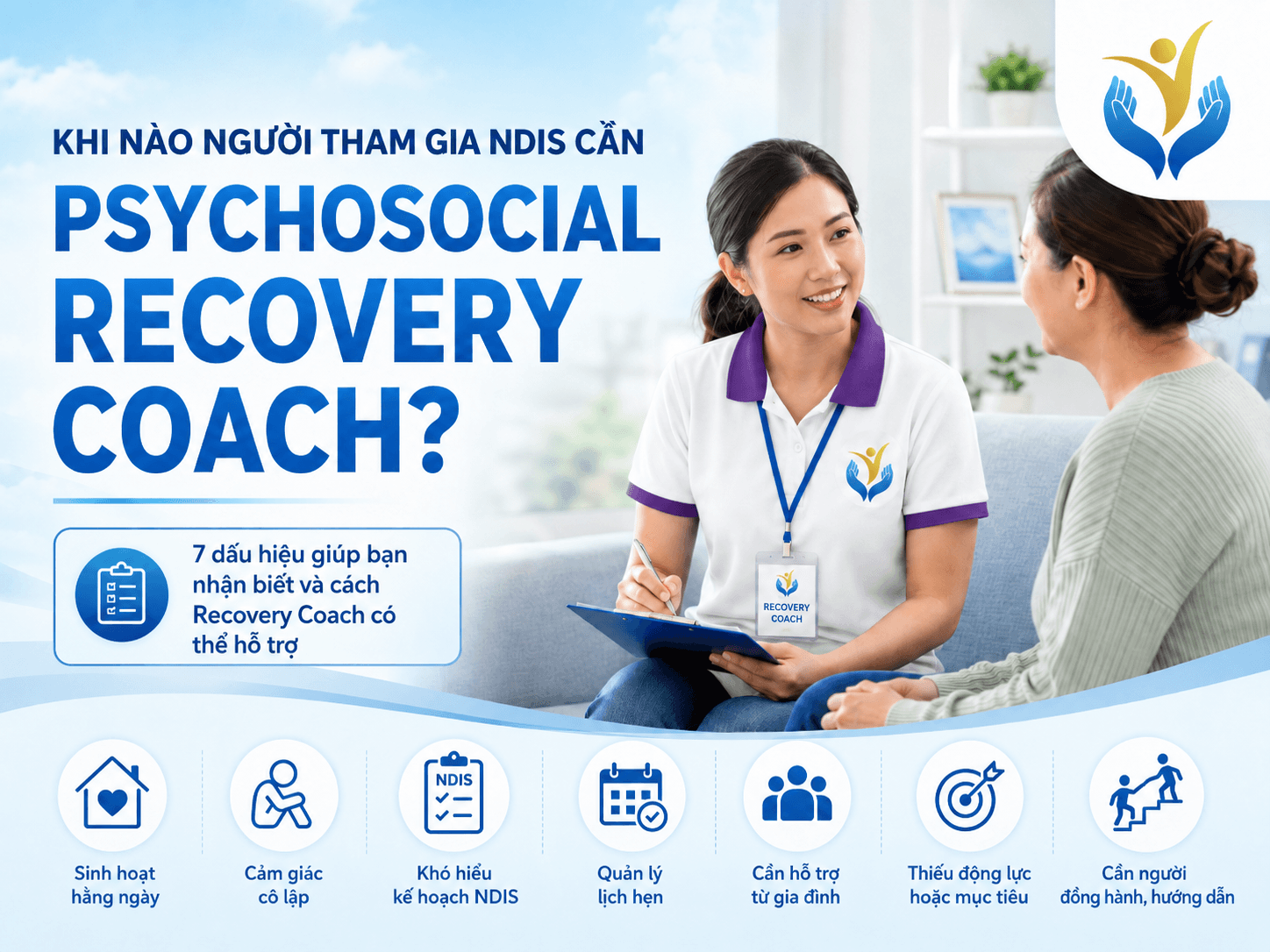
🧠 Psychosocial Disability
Participants with psychosocial disability may experience difficulties engaging consistently with services or navigating complex systems.
This may involve coordination between:
- 🧾 NDIS providers
- 🧠 Mental health services
- 🩺 Medical professionals
- 🏘️ Housing services
- 🌱 Psychosocial Recovery Coaches
- 👩🦽 Support Workers
- 🤝 Community organisations
A Specialist Support Coordinator can help establish more stable and sustainable support arrangements.
🏠 Housing, SIL and SDA Challenges
Finding and maintaining appropriate accommodation can be complex.
Specialist Support Coordination may assist participants who are:
- 🏡 Exploring Supported Independent Living
- 🏢 Considering Specialist Disability Accommodation
- 🚚 Transitioning to new accommodation
- ⚠️ Experiencing problems with current living arrangements
- 🤝 Coordinating multiple providers within the home
- 🏥 Preparing to leave hospital or another care environment
Strong coordination can reduce the risk of support arrangements breaking down.
🏥 Hospital Discharge and Complex Transitions
Participants leaving hospital may require multiple services to be organised within a short period.
This can include:
- 🛁 Personal care
- 👩🦽 Support workers
- 🧑⚕️ Allied health services
- 🦽 Equipment
- 🛠️ Home modifications
- 🏠 Accommodation
- 🚐 Community access
- 🧠 Mental health supports
A Specialist Support Coordinator can work with relevant stakeholders to help establish supports for a safer transition back into the community.
⚠️ Risk of Service Breakdown
Sometimes a participant already has services in place, but those supports are no longer working effectively.
Possible warning signs include:
- ❌ Providers withdrawing services
- 🔁 Frequent changes in support workers
- 📞 Communication breakdown between providers
- 😟 Increasing behavioural concerns
- 🏠 Housing instability
- 🚪 Participant disengagement
- 👪 Family or informal supports becoming overwhelmed
- 🔍 Difficulty finding providers willing to support complex needs
Specialist Support Coordination can help identify the causes of these problems and develop practical strategies to improve stability.
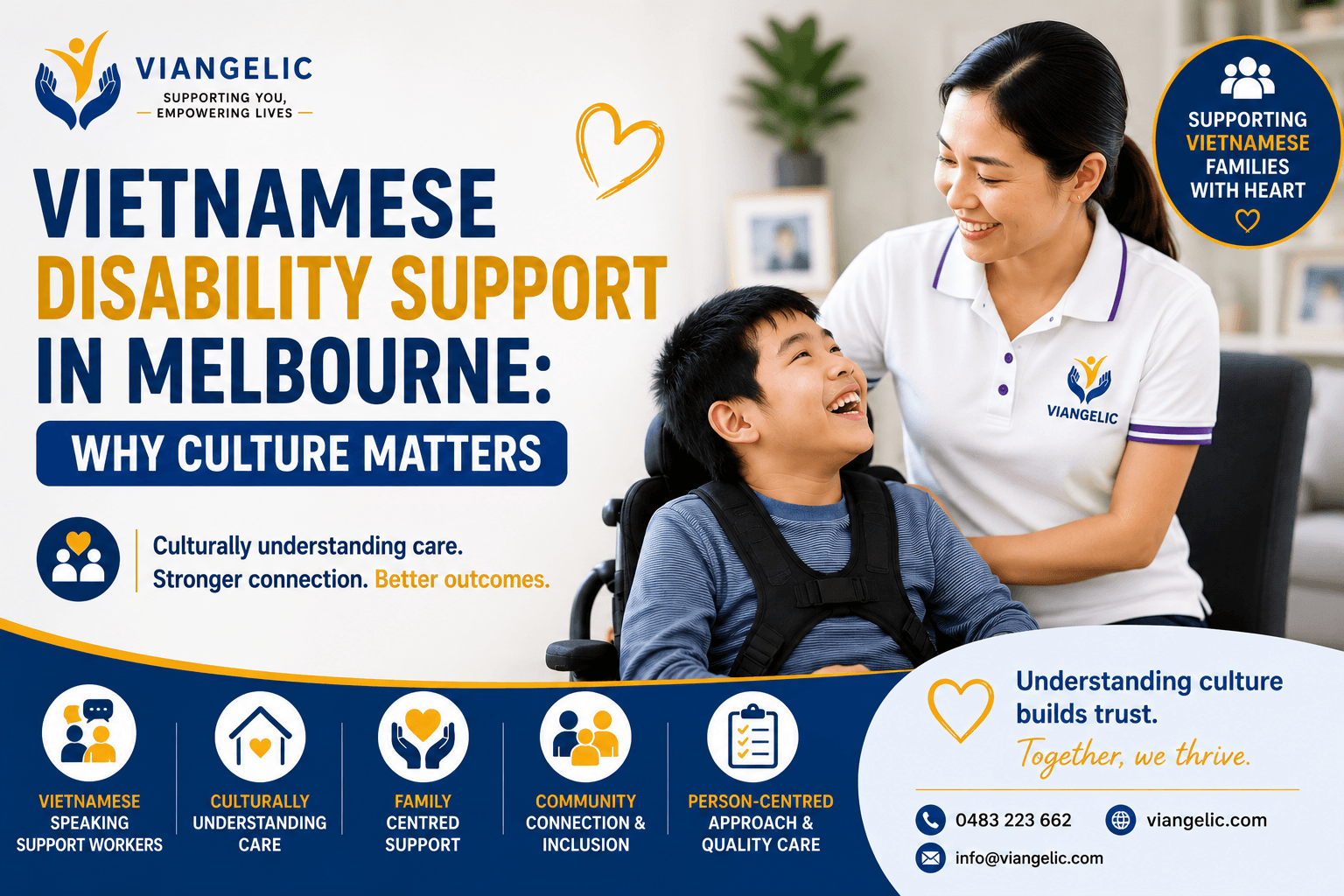
Why Choose a Vietnamese Speaking Specialist Support Coordinator?
Navigating the NDIS can be difficult even when English is your first language.
For Vietnamese-speaking participants and families, complex terminology, unfamiliar systems and cultural differences can make the process even harder.
Working with a Vietnamese Speaking Specialist Support Coordinator can provide several important benefits.
💬 Clearer Communication
Participants and families can discuss their concerns, priorities and goals in Vietnamese where appropriate.
This can reduce misunderstanding and make it easier for families to participate in important decisions.
❤️ Better Understanding of Vietnamese Family Culture
In many Vietnamese families, parents, adult children, grandparents and extended family members may all play important roles in supporting a person with disability.
A culturally responsive Support Coordinator understands the importance of family involvement while continuing to respect the participant's individual choice and control.
📘 Easier Understanding of the NDIS
NDIS terminology can be confusing.
Terms such as:
- 💰 Core Supports
- 📈 Capacity Building
- 🤝 Support Coordination
- 🧭 Specialist Support Coordination
- 🏢 SDA
- 🏠 SIL
- 🧠 Behaviour Support
- 🔄 Plan reassessment
- ✅ Reasonable and necessary supports
may be unfamiliar to families.
A bilingual Support Coordinator can explain these concepts more clearly and help participants make informed decisions.
🌟 Vietnamese Specialist Support Coordination at Viangelic
Viangelic provides person-centred NDIS support with a strong focus on communication, cultural understanding and practical outcomes.
Our Specialist Support Coordination approach may include the following areas.
1. 📋 Understanding and Implementing Your NDIS Plan
We can help participants and families understand:
💰 Available funding
🧾 Funded support categories
🎯 NDIS goals
🤝 Current supports
🔎 Gaps in services
🚩 Priority areas
🛠️ Supports that may need to be established
This creates a clearer roadmap for implementing the plan.
2. 🔗 Connecting With Suitable Providers
Finding a provider is not simply about choosing the first available service.
The provider should match the participant's:
🧩 Disability-related needs
💬 Communication style
🌏 Cultural preferences
🎯 Support goals
📍 Location
⚠️ Risk profile
👪 Family circumstances
Where appropriate, we can assist participants to explore suitable providers for services such as:
🧑⚕️ Occupational Therapy
🗣️ Speech Pathology
🧠 Behaviour Support
💬 Counselling
🧑⚕️ Psychology
👩🦽 Support Workers
🌳 Community Participation
🛁 Personal Care
🏠 Daily Living Support
🏘️ SIL
🏢 SDA
👥 Social Programs
💼 Employment Services
🎓 Education Support
Participant choice and control remain central to provider selection.
3. 🤝 Coordinating Multiple Services
Complex participants may have many providers working at the same time.
Without clear communication, this can lead to:
⚡ Conflicting recommendations
🔁 Repeated assessments
🕳️ Service gaps
❓ Confusion about responsibilities
📉 Poor outcomes
Specialist Support Coordination can help improve communication between relevant providers and clarify responsibilities.
4. 🚧 Identifying Barriers to Support
Sometimes participants have NDIS funding but still struggle to access services.
Possible barriers include:
🗣️ Language
📍 Location
⏳ Provider availability
⚠️ Complex behaviours
🧠 Mental health challenges
👪 Family circumstances
🚐 Transport
🏠 Housing instability
🚪 Difficulty engaging with services
We work with participants and their support network to identify barriers and explore practical solutions.
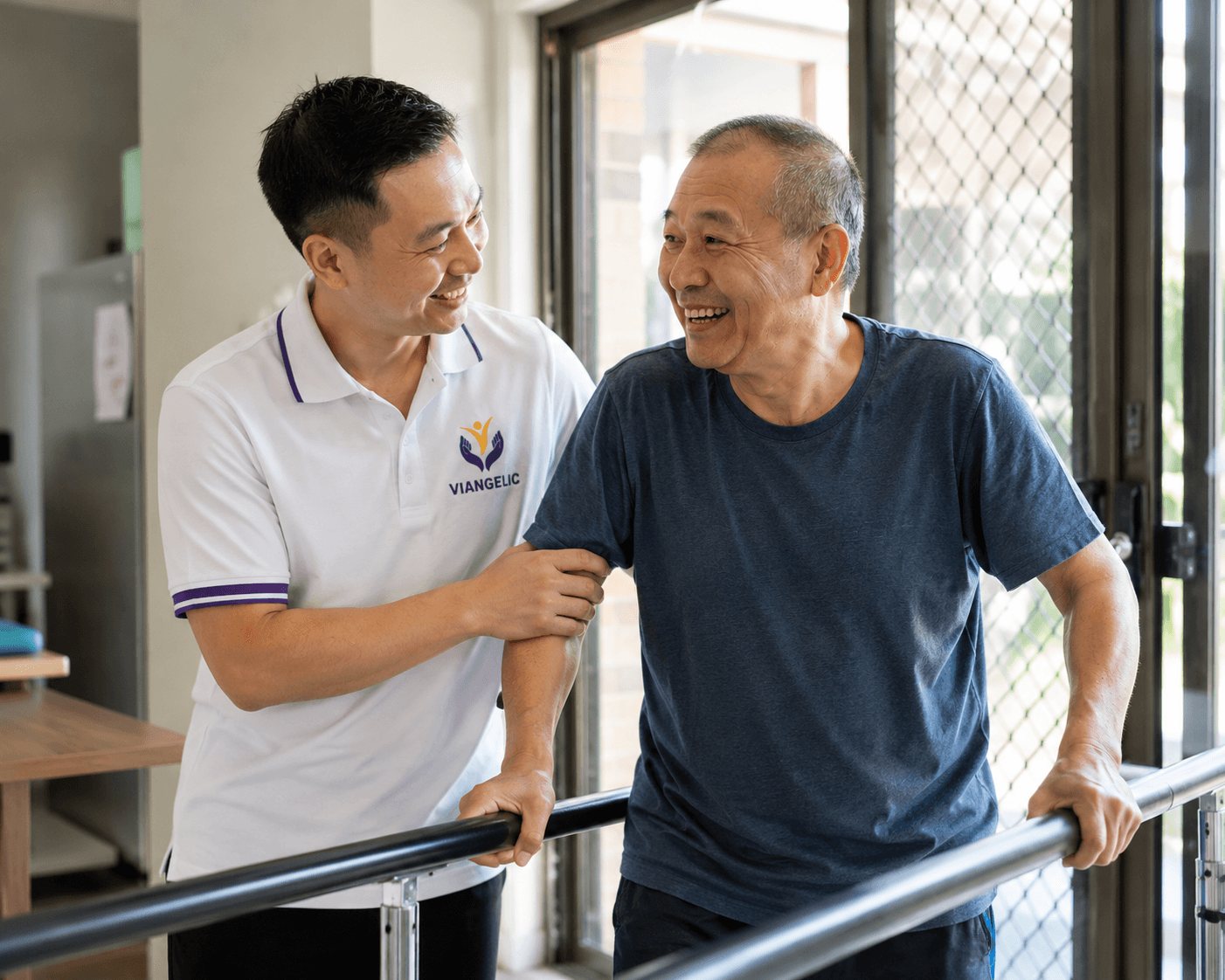
5. 🔄 Supporting Complex Transitions
Changes in services or living arrangements can be stressful.
We may assist with transitions involving:
🔁 Moving between providers
🏠 Changes in accommodation
🏥 Hospital discharge
🎓 Transition from school to adult services
👪 Changes in family support
🧾 New disability support arrangements
🏘️ SIL or SDA transitions
Planning and coordination can help make these changes more manageable.
6. 💪 Building Participant and Family Capacity
Good Support Coordination should help participants become more confident in managing their own supports wherever possible.
We aim to build skills in:
📘 Understanding NDIS plans
💬 Communicating with providers
🧠 Making informed decisions
❓ Asking questions
📄 Understanding service agreements
📊 Monitoring supports
🚩 Identifying problems
📣 Advocating for needs
The goal is to strengthen independence rather than create unnecessary dependence on Support Coordination.
🧩 Specialist Support Coordination for Autism and Complex Support Needs
Families supporting a child, teenager or adult with autism may be managing many different services at once.
These may include:
🧠 Behaviour Support
🗣️ Speech Therapy
🧑⚕️ Occupational Therapy
🏫 School supports
👩🦽 Support Workers
🌳 Community participation
👥 Social skills programs
🛏️ Respite
🏠 Daily living assistance
🏘️ Accommodation services
For participants with complex support needs, consistency between providers can be especially important.
A Specialist Support Coordinator can help improve communication between services and ensure supports are aligned with the participant's goals.
🧠 Specialist Support Coordination and Psychosocial Disability
Participants with psychosocial disability may require support across multiple systems.
For example, an NDIS participant may simultaneously be working with:
🧠 Mental health professionals
🩺 GP or medical services
🏠 Housing providers
👩🦽 Support Workers
🌱 Psychosocial Recovery Coaches
🤝 Community organisations
👪 Family members
🧾 NDIS-funded providers
Specialist Support Coordination can help bring these services together and reduce fragmentation.
The focus is on building a support environment that is practical, sustainable and centred around the participant.
🏠 Specialist Support Coordination for SIL and SDA
Accommodation can become one of the most complex areas of an NDIS plan.
Participants may need support to understand the differences between:
🏡 Supported Independent Living (SIL)
Support provided to help a participant live more independently.
🏢 Specialist Disability Accommodation (SDA)
Specialised housing designed for eligible participants with significant functional impairment or very high support needs.
A Specialist Support Coordinator may assist participants and families to understand available options, communicate with relevant providers and coordinate transition planning.
📝 Preparing for an NDIS Plan Reassessment
Participants with complex needs often require evidence from multiple providers.
A Specialist Support Coordinator may assist with coordinating relevant information such as:
- 📄 Allied health reports
- 👩🦽 Support Worker feedback
- 🧠 Behaviour Support information
- 📊 Service utilisation
- 🔎 Identified support gaps
- 🔄 Changes in circumstances
- 🏠 Accommodation needs
- ⚠️ Risks if supports are reduced
- 🎯 Participant goals and priorities
The NDIA ultimately determines funding decisions, but well-organised information can help clearly explain the participant's current circumstances.
💜 Why Vietnamese Families Choose Viangelic
Vietnamese families may prefer Viangelic because they can access a service that understands both the NDIS environment and the importance of culturally responsive communication.
Our approach focuses on:
🇻🇳 Bilingual Communication
Vietnamese and English communication may be available depending on staff capacity.
👤 Person-Centred Support
The participant's goals, preferences and choices remain at the centre of decision-making.
👪 Family Collaboration
Where the participant wishes, we can work collaboratively with parents, carers and other important people in their support network.
🧭 Complex Support Coordination
We focus on helping participants who require coordination across multiple providers and systems.
📍 Local Melbourne Knowledge
Understanding local providers and services can help participants access appropriate supports more effectively.
✅ Registered NDIS Provider
Viangelic operates as a registered NDIS provider and delivers services in accordance with applicable NDIS requirements, policies and standards.
📍 Areas We Support Across Melbourne
Viangelic supports NDIS participants across a range of Melbourne areas, subject to staff availability.
This may include:
📍 Sunshine
📍 Sunshine North
📍 St Albans
📍 Braybrook
📍 Footscray
📍 Maidstone
📍 Deer Park
📍 Caroline Springs
📍 Werribee
📍 Tarneit
📍 Point Cook
📍 Melbourne Northern Suburbs
📍 Springvale
📍 Noble Park
📍 Dandenong
📍 Keysborough
📍 Melbourne South-East
📍 Surrounding Melbourne suburbs
📞 Contact our team to confirm availability in your location.
✅ Do You Have Specialist Support Coordination Funding?
If your NDIS plan includes Specialist Support Coordination and you are looking for a Vietnamese Speaking Specialist Support Coordinator in Melbourne, Viangelic can discuss your needs and determine whether we have suitable capacity.
We welcome referrals and enquiries from:
👤 NDIS participants
👪 Parents and carers
💳 Plan Managers
🤝 Local Area Coordinators
🏥 Hospitals
🧑💼 Social Workers
🧑⚕️ Allied Health Professionals
🧠 Behaviour Support Practitioners
🌱 Psychosocial Recovery Coaches
🧭 Support Coordinators
🤝 Community organisations
🏢 Other NDIS providers
❓ Frequently Asked Questions
🔹 What is the difference between Support Coordination and Specialist Support Coordination?
Support Coordination assists participants to understand and implement their NDIS plan, connect with services and build skills to manage their supports.
Specialist Support Coordination is generally intended for participants experiencing significant complexity or barriers that require a more intensive level of coordination.
🔹 Is Specialist Support Coordination the same as Level 3 Support Coordination?
Yes. The term Level 3 Support Coordination is commonly used to describe Specialist Support Coordination.
🔹 Can my Specialist Support Coordinator speak Vietnamese?
Vietnamese-speaking support may be available depending on current staff capacity.
📞 Contact Viangelic to confirm availability.
🔹 Can a Specialist Support Coordinator help with SIL or SDA?
Specialist Support Coordinators may assist participants to understand options, coordinate providers and support complex accommodation transitions where these needs relate to the participant's NDIS plan.
🔹 Can you help me find Vietnamese-speaking NDIS providers?
Yes.
Where available and appropriate, we can help participants explore providers who match their language, cultural and disability-support preferences.
The participant always maintains choice and control over which providers they engage.
🔹 Can you help with an NDIS plan reassessment?
A Specialist Support Coordinator may assist with coordinating relevant information, identifying service gaps and communicating changes in circumstances.
The NDIA makes all final decisions regarding NDIS funding.
🔹 Can family members be involved?
Yes, where the participant wants family involvement.
For many Vietnamese families, parents or relatives play an important role in disability support.
We aim to work collaboratively with families while respecting the participant's rights, preferences and decision-making.
📞 Looking for a Vietnamese Speaking Specialist Support Coordinator in Melbourne?
Complex NDIS plans require more than simply finding services.
They often require strong communication, careful planning and coordination between multiple providers and systems.
If you are looking for a Vietnamese Speaking Specialist Support Coordinator Melbourne, Viangelic can help you understand your plan, coordinate complex supports and build a stronger support network.
💜 Contact Viangelic
Viangelic – Registered NDIS Provider
📞 0483 223 662
🌐 viangelic.com
Vietnamese Speaking Specialist Support Coordinator Melbourne | NDIS Level 3
Supporting Vietnamese NDIS participants and families with culturally responsive, person-centred and coordinated disability support.
Need NDIS Support?
Viangelic is a registered NDIS provider helping people across Melbourne and Sydney — including Vietnamese-speaking participants.