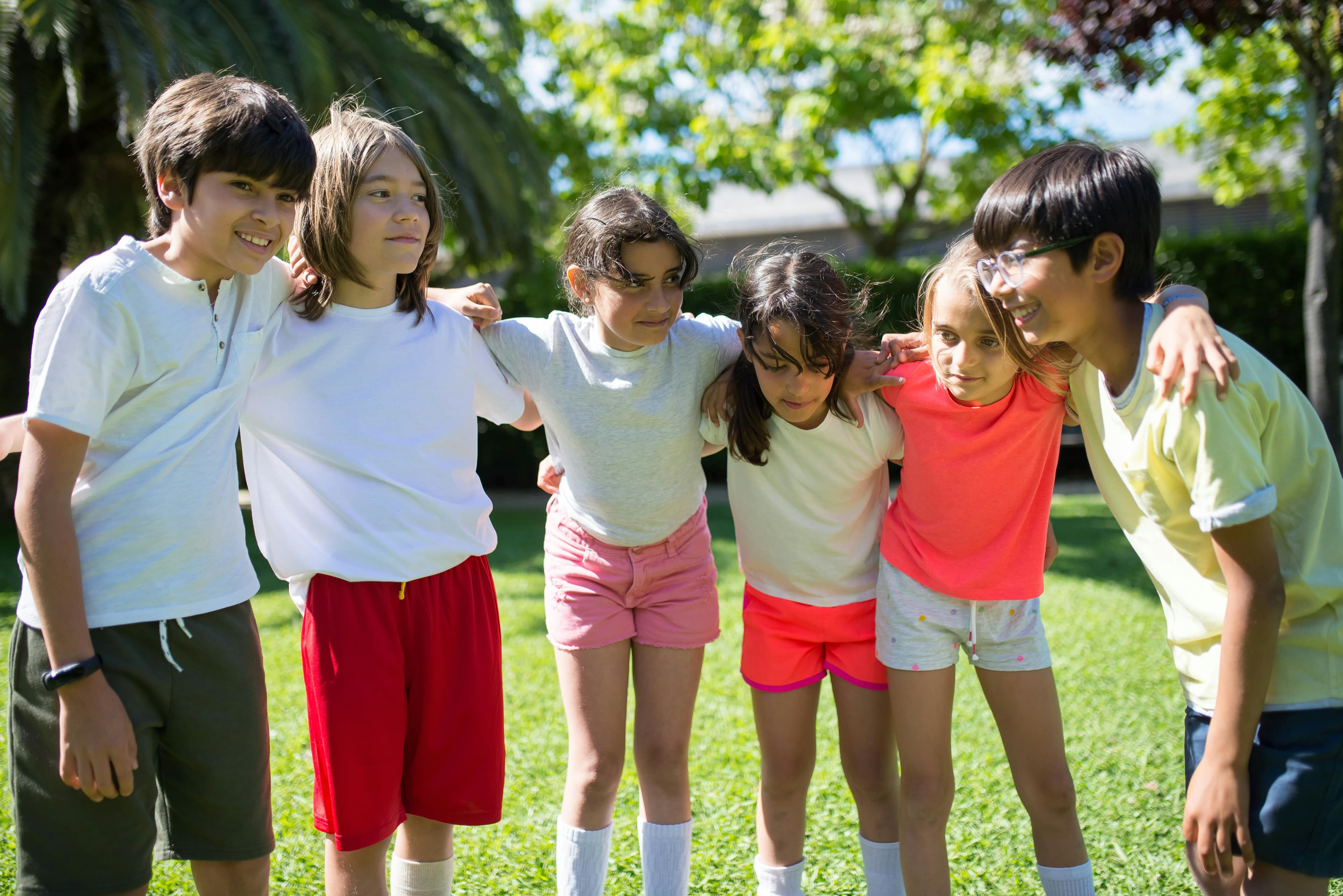
Finding the right activities for children with Autism (ASD) and ADHD can be challenging—especially when the goal is to improve social interaction, communication, and emotional regulation.
Many children struggle not because they don’t want to connect, but because they don’t yet have the skills to do so.
The good news? With the right structured social skills activities, children can learn, practice, and build confidence in a supportive environment.
At Viangelic, we use evidence-based, engaging activities to help children develop real-life social skills that transfer into school and daily life.
Why Social Skills Activities Are Important
Children with ASD and ADHD often experience:
- Difficulty understanding social cues
- Challenges with turn-taking and sharing
- Impulsivity or difficulty waiting
- Emotional outbursts or frustration
Structured activities help by:
✔ Breaking skills into simple steps
✔ Providing repetition and consistency
✔ Offering guided practice in a safe environment
✔ Reinforcing positive behaviours
👉 The key is not just “play”—but purposeful, guided interaction.
1. Role-Playing Social Situations
What it is
Children act out real-life situations such as:
- Saying hello and goodbye
- Asking to join a game
- Responding to questions
- Handling conflict
Why it works
Role-playing allows children to:
- Practice in a low-pressure setting
- Learn appropriate responses
- Build confidence before real-life situations
Pro Tip
Use visual prompts or scripts to guide children initially, then gradually reduce support.
2. Turn-Taking Games
Examples
- Board games (e.g., simple dice games)
- Card games
- Passing ball activities
Skills Developed
✔ Patience
✔ Sharing
✔ Understanding rules
✔ Waiting appropriately
Why it works
Children with ADHD often struggle with impulsivity, while children with ASD may not naturally understand social rules. Turn-taking games teach both in a structured and fun way.

3. Emotion Recognition Activities
What it includes
- Emotion flashcards
- Matching facial expressions
- Identifying feelings in stories
Skills Developed
✔ Emotional awareness
✔ Empathy
✔ Understanding others’ reactions
Why it works
Many children with ASD struggle to interpret facial expressions. These activities build the foundation for social understanding and empathy.
Pro Tip
Link emotions to real-life situations:
👉 “How do you feel when someone takes your toy?”
4. Cooperative Play Activities
Examples
- Building blocks together
- Completing puzzles as a team
- Group art or craft projects
Skills Developed
✔ Teamwork
✔ Communication
✔ Problem-solving
✔ Sharing ideas
Why it works
Unlike competitive games, cooperative play encourages children to work together rather than against each other, reducing anxiety and promoting positive interaction.
5. Structured Group Games
Examples
- Simon Says
- Follow-the-leader
- Group storytelling
Skills Developed
✔ Listening and attention
✔ Following instructions
✔ Group participation
✔ Self-control
Why it works
These games mimic classroom environments, helping children prepare for** real-life group settings** like school.

Key Principles for Success
To maximise progress, activities should always be:
✔ Structured
Clear rules, expectations, and steps
✔ Repetitive
Children need multiple opportunities to practice
✔ Supported
Use prompts, modelling, and guidance
✔ Reinforced
Positive reinforcement encourages engagement
How Parents Can Support at Home
You don’t need a formal program to help your child build skills.
Try simple daily strategies:
- Practice greetings every day
- Use visual schedules
- Model appropriate social behaviour
- Praise small successes
Consistency between home and structured programs leads to faster progress.
When to Join a Social Skills Group
While home practice is helpful, many children benefit from a structured group environment where they can:
✔ Practice with peers
✔ Receive professional guidance
✔ Generalise skills to real-life situations
At Viangelic, our Social Skills Group in Melbourne provides small, supportive sessions designed for real progress.
Conclusion
The right activities can transform how children with autism and ADHD communicate, connect, and feel about themselves.
With structured support, patience, and consistency, social skills are not just teachable—they are life-changing.
Call to Action
Looking for a Social Skills Group in Melbourne that delivers real results?
👉 Contact Viangelic today to book a trial session and support your child’s development.
Need NDIS Support?
Viangelic is a registered NDIS provider helping people across Melbourne and Sydney — including Vietnamese-speaking participants.