
NDIS Day Program – Empowering Adults with Disabilities to Live Fully

At Viangelic, we believe every individual deserves the opportunity to live a meaningful, independent, and fulfilling life.Our NDIS Day Program in Melbourne provides a safe, inclusive, and engaging environment for adults with disabilities to develop life skills, build friendships, and enjoy daily activities designed around their goals and interests. What Is an NDIS Day Program? An NDIS Day Program (or Centre Based Day Service) offers structured activities and community participation opportunities for NDIS participants. It is a place where adults with disabilities can spend their day productively, learning new skills, exploring hobbies, and connecting with others in a supportive and encouraging environment. These programs are designed to promote independence and confidence, helping participants discover their strengths and lead active, meaningful lives. Our Day Program Includes Life skills training: Cooking, budgeting, cleaning, and self care sessions that empower participants to manage daily tasks independently. Social and recreational activities: Art, music, games, and group outings that build social confidence and creativity. Community engagement: Shopping trips, volunteering, or attending local events that help participants connect with their community. Therapy support: Access to counsellors, occupational therapists, and speech pathologists for holistic wellbeing. Fitness and wellbeing sessions: Yoga, dance, and gentle exercise programs that promote physical health and mental balance. Every activity within our NDIS Day Program is guided by caring professionals who ensure each participant feels included, supported, and inspired every day. Locations We proudly operate in Sunshine North and Noble Park, welcoming participants from across Melbourne and surrounding suburbs. Both locations are designed to be accessible, inclusive, and filled with warmth, creating an environment where everyone feels at home. Why Choose Viangelic’s NDIS Day Program Supportive and qualified staff: Our team includes skilled professionals who provide compassionate guidance and care. Individualised care and person centred planning: Each participant receives tailored support based on their unique goals and aspirations. Friendly, multicultural environment: We celebrate diversity and create a space where everyone belongs. Flexible scheduling: Choose between full day or half day options to match your lifestyle. Assistance with transport and meal planning: Additional support is available for those who need help with travel and nutrition. Viangelic’s NDIS Day Program is built on the values of inclusion, empowerment, and community. We aim to help participants not only learn skills but also find joy and confidence in every part of their daily lives. Join Us Today Discover a program that values your independence, celebrates your abilities, and supports your personal growth every step of the way.Whether you are looking to develop new skills, make friends, or simply enjoy a day full of positive experiences, the NDIS Day Program at Viangelic offers everything you need to live fully and meaningfully. Contact Viangelic on 0490 155 300 or 0483 223 662 to learn more about our NDIS Day Program in Melbourne and how we can support your journey toward independence and fulfilment.
What Families Look for in a Great NDIS Day Program for Their Loved Ones with Disabilities
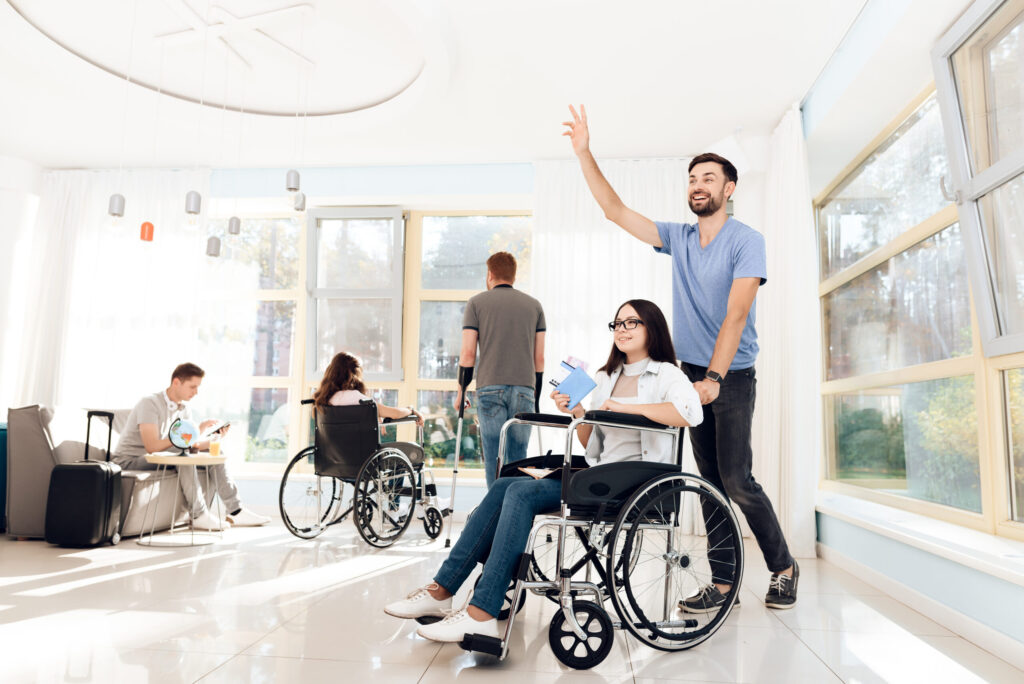
Choosing the right NDIS Day Program for a loved one with a disability is one of the most important decisions a family can make. It’s not only about finding a place that provides care—it’s about finding a space that nurtures growth, happiness, and independence. At Viangelic, we understand how much peace of mind means to families. Every carer wants to know their loved one is safe, supported, and truly happy in an environment that celebrates individuality. That’s why we’ve designed our NDIS Day Program in Melbourne to meet the highest standards of care, compassion, and connection. Below are the key things families often look for when choosing a day program for people with disabilities across Melbourne and Victoria. 1. A Caring and Qualified Team Families seek NDIS Day Program where staff are not only well-trained but also genuinely compassionate. At Viangelic, our team includes experienced support workers and allied-health professionals who specialise in empowering people with diverse abilities. We provide personalised support that promotes independence and celebrates every small achievement, ensuring every participant feels valued and cared for. 2. Safe and Inclusive Environment Safety, cleanliness, and accessibility are top priorities for families. Viangelic’s centres in Sunshine North and Noble Park are purpose-built with calm, inclusive spaces designed to meet the needs of participants with disabilities. Whether someone prefers quiet activities or group interaction, our supportive environment helps them feel comfortable, respected, and confident. 3. Individualised and Person-Centred Support Every individual has their own story, goals, and pace of growth. Families value NDIS Day Program that are person-centred rather than “one-size-fits-all.” At Viangelic, we work closely with carers and participants to create tailored support plans that focus on life skills, community engagement, and emotional wellbeing—helping each person reach their full potential. 4. Meaningful Activities and Skill Development An outstanding NDIS Day Program offers not just care, but purpose. At Viangelic, our daily activities are thoughtfully designed to be both fun and developmental, including: Life-skills training such as cooking, budgeting, and self-care Art, music, and creative expression Fitness and outdoor activities Social skills and communication practice Community participation and volunteering opportunities Through these experiences, participants gain independence, confidence, and a deep sense of belonging. 5. Convenience and Flexibility We know that every family’s schedule is different. That’s why Viangelic’s NDIS Day Program offer both full-day and part-day options, with transport assistance available on request. Our two convenient locations in Melbourne’s Western and Southeastern suburbs make it easier for families to access the support they need. 6. Open Communication with Families Trust grows through openness and collaboration. At Viangelic, we see families as essential partners in the support journey. Carers receive regular progress updates, reports, and opportunities to discuss their loved one’s goals, ensuring that everyone stays informed and connected. 7. NDIS-Approved and Transparent Pricing Viangelic is a Registered NDIS provider, offering complete support with funding coordination and documentation. Our pricing structure is transparent, fair, and fully aligned with NDIS standards, giving families confidence and clarity when planning for care. 8. Emotional Wellbeing and Social Connection Beyond daily routines and skill-building, the best NDIS Day Program focus on happiness and emotional growth. At Viangelic, we create a community where participants feel valued, make friends, and enjoy every moment of connection. Our team is dedicated to fostering inclusion, respect, and joy in everything we do. Why Families Choose Viangelic Families choose Viangelic because we believe in empowerment, inclusion, and joy. Our NDIS Day Program helps participants live meaningfully—developing independence, confidence, and a strong sense of community connection each day. Our Locations Sunshine North: 119 Berkshire Rd, Sunshine North VIC 3020Noble Park: 1 Racecourse Rd, Noble Park VIC 3174 ? Hotline: 0490 155 300 | 0483 223 662? Website: www.viangelic.com
Viangelic Day Program – Where Every Day is Meaningful
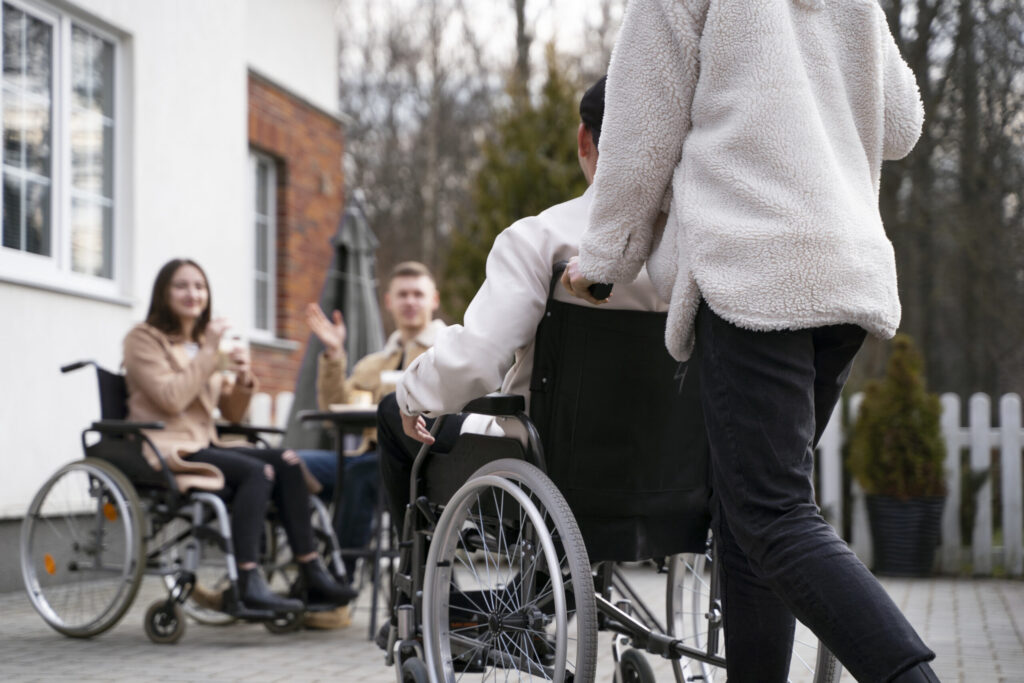
If you are looking for a NDIS Day Program in South East Victoria that offers more than just daily care, you have come to the right place.At Viangelic, we believe every individual deserves to live a fulfilling, independent and connected life. Our Day Program is created to make that possible through meaningful experiences each day. About the Program The Viangelic Day Program provides engaging activities and learning opportunities for adults with disabilities. Each participant is supported to develop daily living skills, build confidence, and form meaningful social connections while taking part in community life. Activities include cooking and meal preparation, creative arts and music, physical exercise and community outings. Every experience is thoughtfully designed to encourage growth, independence and joy. Why Choose Viangelic At Viangelic, we go beyond traditional care to create an environment where every participant feels valued, respected and supported. Our team is passionate about person centred care, always focusing on the unique goals and abilities of each individual. Every centre provides a safe, inclusive and multicultural space that celebrates diversity and encourages personal development at every step. Our Locations We proudly serve the South East Victoria community from our convenient centres. Noble Park – 1 Racecourse Rd VIC 317 Each location offers a welcoming environment with comfortable facilities where participants can enjoy learning and connecting every day. Get in Touch We would love to welcome you to visit our centre and meet our friendly team.To book a tour or learn more about how our Day Program can support your goals, please contact us. Phone: 0490 155 300 | 0483 223 662Email: info@viangelic.com At Viangelic, every day is a new opportunity to grow, connect and live meaningfully.
Ai nên tham gia chương trình Social Skills Training (SST)
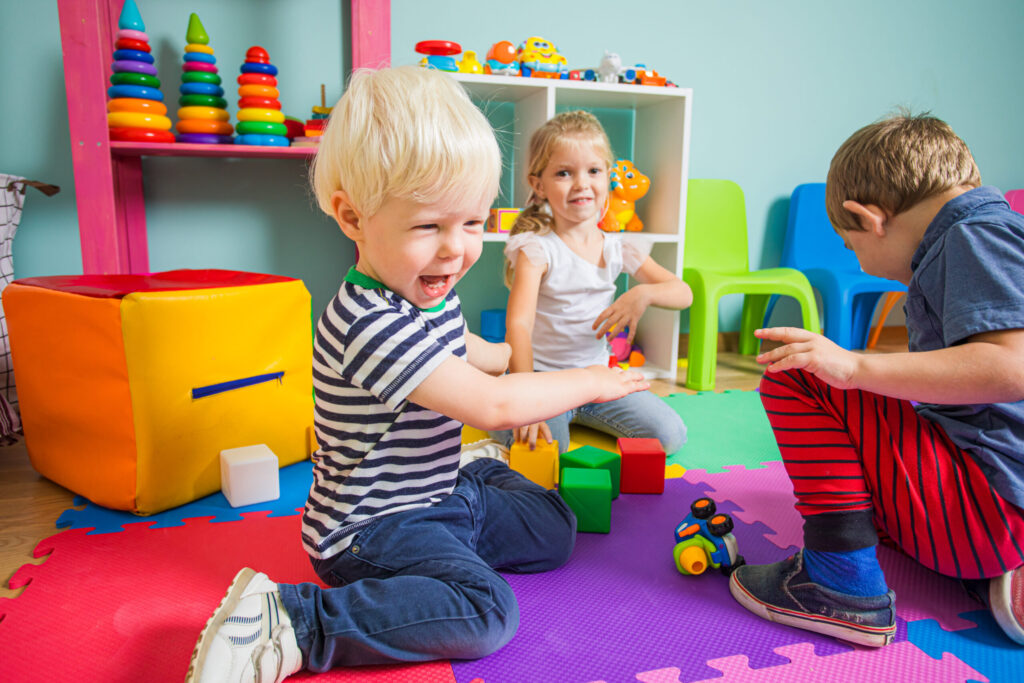
Kỹ năng xã hội (Social Skills Training) là nền tảng quan trọng giúp mỗi người có thể kết nối, học tập và làm việc hiệu quả trong cộng đồng. Đây không chỉ là cách chúng ta nói chuyện hay lắng nghe, mà còn là cầu nối giúp con người thấu hiểu, hợp tác và phát triển trong mọi mối quan hệ. Tuy nhiên, không phải ai cũng dễ dàng sở hữu kỹ năng xã hội. Nhiều người, đặc biệt là trẻ em, thanh thiếu niên hoặc người trưởng thành có rối loạn phát triển hay gặp khó khăn trong giao tiếp, cần được hướng dẫn và luyện tập theo cách phù hợp.Chính vì vậy, Social Skills Training (SST) là chương trình huấn luyện kỹ năng xã hội được xây dựng như một phương pháp khoa học và thực tiễn, giúp từng cá nhân phát huy tối đa khả năng kết nối và tự tin trong cuộc sống. 1. Trẻ tự kỷ (ASD) Trẻ tự kỷ thường gặp khó khăn trong việc giao tiếp bằng mắt, hiểu ngôn ngữ cơ thể hoặc diễn đạt cảm xúc.Trong chương trình Social Skills Training, các em sẽ được: Hướng dẫn cách khởi đầu và duy trì cuộc trò chuyện tự nhiên. Luyện tập nhận biết cảm xúc của bản thân và người khác thông qua trò chơi tương tác. Tăng khả năng tự tin khi giao tiếp, từ đó dễ dàng kết bạn và tham gia các hoạt động nhóm. Nhờ phương pháp dạy có cấu trúc, lặp lại và kèm phản hồi, trẻ dần hình thành kỹ năng giao tiếp bền vững, không còn cảm thấy lúng túng hay tách biệt khỏi tập thể. 2. Trẻ ADHD (Tăng động giảm chú ý) Trẻ ADHD thường bốc đồng, dễ mất tập trung và khó chờ lượt, khiến việc hòa nhập trong lớp học hay sinh hoạt nhóm trở nên khó khăn.Thông qua SST, trẻ sẽ được: Rèn luyện khả năng kiểm soát hành vi và cảm xúc trong tình huống thực tế. Thực hành lắng nghe, chờ lượt và tuân thủ quy tắc nhóm thông qua hoạt động vui chơi. Cải thiện tương tác với bạn bè, từ đó cảm thấy được chấp nhận và yêu quý hơn. Chương trình giúp trẻ giảm bốc đồng, phát triển tinh thần hợp tác và trở nên tự tin hơn khi tham gia vào môi trường tập thể. 3. Thanh thiếu niên thiếu kỹ năng kết bạn Nhiều bạn trẻ mong muốn có bạn nhưng lại không biết cách bắt chuyện, duy trì tình bạn hay giải quyết mâu thuẫn.Social Skills Training giúp các em: Học cách thể hiện bản thân phù hợp với hoàn cảnh và đối tượng giao tiếp. Rèn luyện kỹ năng chủ động làm quen, duy trì đối thoại và giải quyết xung đột tích cực. Phát triển khả năng tự nhận thức và đồng cảm, từ đó xây dựng mối quan hệ lành mạnh, bền vững. Chương trình Social Skills Training tạo môi trường an toàn, thân thiện để thanh thiếu niên luyện tập kỹ năng thật, được hỗ trợ và khích lệ thay vì bị phán xét. 4. Người lớn gặp lo âu xã hội Không chỉ trẻ nhỏ, nhiều người trưởng thành cũng trải qua cảm giác lo lắng, sợ bị đánh giá khi giao tiếp, họp nhóm hoặc tham gia môi trường mới.Social Skills Training mang lại lợi ích rõ rệt cho người lớn thông qua: Nhận diện và điều chỉnh suy nghĩ tiêu cực khi tương tác xã hội. Luyện tập chiến lược ứng phó, kiểm soát cảm xúc và sử dụng ngôn ngữ cơ thể hiệu quả. Phát triển sự tự tin và khả năng kết nối trong công việc, học tập và đời sống. Đây là lựa chọn phù hợp cho những ai mong muốn cải thiện kỹ năng giao tiếp, mở rộng quan hệ và nâng cao chất lượng cuộc sống. Social Skills Training – Hành trình xây dựng niềm tin và hạnh phúc Social Skills Training không chỉ là lớp học kỹ năng, mà là hành trình giúp mỗi người tìm lại sự tự tin, niềm vui và ý nghĩa trong kết nối với người khác. Tại Viangelic, mỗi buổi học đều được thiết kế linh hoạt, phù hợp với nhu cầu và khả năng riêng của từng học viên. Chúng tôi tin rằng, khi kỹ năng xã hội được nuôi dưỡng bằng tình yêu thương và phương pháp đúng, mọi người đều có thể hòa nhập, phát triển và tỏa sáng theo cách riêng của mình.
Những kỹ năng cụ thể mà trẻ được rèn luyện trong chương trình Social Skills Training (SST)
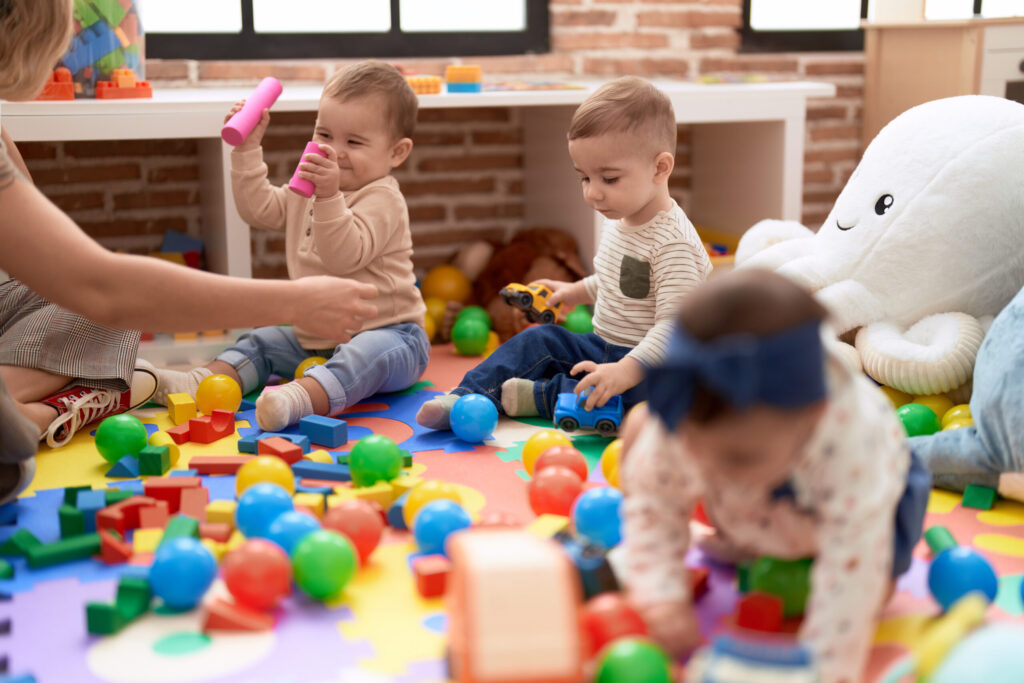
Trong quá trình phát triển của trẻ, kỹ năng xã hội đóng vai trò quan trọng không kém gì khả năng học tập. Với những trẻ có rối loạn phát triển như tự kỷ, tăng động giảm chú ý (ADHD) hoặc chậm nói, việc giao tiếp và hòa nhập với bạn bè thường là một thử thách lớn. Social Skills Training (SST), hay còn gọi là đào tạo kỹ năng xã hội, là một phương pháp trị liệu có cấu trúc, giúp trẻ học cách tương tác, chia sẻ, thể hiện cảm xúc và xây dựng mối quan hệ lành mạnh trong môi trường tự nhiên. Điểm đặc biệt của SST nằm ở cách học thông qua trải nghiệm thực tế. Mỗi kỹ năng được chia nhỏ, dạy từng bước và lặp lại nhiều lần trong các hoạt động như trò chơi, đóng vai hay sinh hoạt nhóm. Trẻ không chỉ nghe giảng mà được thực hành ngay, từ đó hình thành phản xạ giao tiếp tự nhiên hơn. Dưới đây là những kỹ năng cụ thể mà trẻ sẽ được rèn luyện trong chương trình Social Skills Training tại Viangelic. Một số kỹ năng cụ thể sẽ được rèn luyện ở Social Skills Training 1. Chào hỏi và khởi đầu tương tác Với nhiều trẻ tự kỷ hoặc ADHD, việc khởi đầu một cuộc trò chuyện là điều không dễ dàng. Các em có thể tránh nhìn vào mắt người khác, không phản hồi khi được gọi hoặc tỏ ra lúng túng khi gặp người mới. Trong SST, trẻ được hướng dẫn cách bắt đầu tương tác xã hội tự nhiên như mỉm cười, giao tiếp bằng mắt, nói “xin chào”, giới thiệu bản thân hoặc thể hiện sự quan tâm đến người đối diện. Các buổi trị liệu thường lồng ghép trò chơi đóng vai để trẻ luyện tập chào hỏi, giới thiệu tên hoặc chào tạm biệt sau khi chơi xong. Khi được thực hành thường xuyên trong môi trường an toàn và thân thiện, trẻ dần hình thành thói quen chào hỏi tự nhiên, cảm thấy tự tin và vui vẻ hơn khi bắt đầu mối quan hệ mới. 2. Duy trì cuộc trò chuyện Nhiều trẻ gặp khó khăn trong việc duy trì hội thoại hai chiều. Các em thường trả lời ngắn gọn, lặp lại lời người khác hoặc chỉ nói về chủ đề mình thích. Social Skills Training giúp trẻ học cách giao tiếp có qua có lại. Ví dụ, khi bạn hỏi “Con thích chơi gì?”, trẻ không chỉ trả lời “Lego” mà còn biết hỏi lại “Còn bạn thì sao?”. Kỹ năng này được rèn luyện thông qua các trò chơi nhóm, bài tập hội thoại và hoạt động đóng vai. Trẻ học cách chia sẻ thông tin vừa đủ, lắng nghe, đặt câu hỏi và phản hồi phù hợp. Nhờ đó, khả năng giao tiếp trở nên tự nhiên hơn, giúp trẻ tạo kết nối và duy trì tình bạn một cách bền vững. 3. Chia sẻ và chờ lượt Một thách thức phổ biến ở trẻ có rối loạn phát triển là khó chia sẻ hoặc chờ đợi. Các em có thể giành đồ chơi, không chịu nhường bạn hoặc dễ bực bội khi không được chơi trước. SST giúp trẻ vượt qua điều này thông qua các hoạt động nhóm có luật chơi rõ ràng như xếp hình, boardgame hoặc vận động. Trong quá trình chơi, trẻ học cách chờ lượt, nhường bạn và bày tỏ mong muốn của mình bằng lời nói. Qua mỗi lần thực hành, trẻ dần hiểu được ý nghĩa của sự kiên nhẫn, biết hợp tác và tôn trọng người khác. Đây là những yếu tố nền tảng giúp trẻ hòa nhập trong lớp học và cộng đồng. 4. Biểu đạt và điều chỉnh cảm xúc Nhiều trẻ có xu hướng la hét, khóc lóc hoặc im lặng khi buồn bã mà không biết cách nói ra cảm xúc. Điều này khiến người xung quanh khó hiểu và khó hỗ trợ đúng cách. Trong SST, trẻ được hướng dẫn gọi tên cảm xúc của mình như “con buồn”, “con giận”, “con vui” và học cách phản ứng phù hợp hơn. Trẻ cũng được dạy các chiến lược để điều chỉnh cảm xúc, ví dụ như hít thở sâu, rời khỏi tình huống căng thẳng hoặc tìm người lớn giúp đỡ. Nhờ đó, trẻ không chỉ giảm hành vi bùng nổ mà còn biết cách giao tiếp cảm xúc, giúp mọi người dễ dàng hiểu và đồng cảm hơn. 5. Hợp tác và giải quyết xung đột Một phần quan trọng của Social Skills Training là giúp trẻ học cách làm việc nhóm và giải quyết mâu thuẫn. Khi tham gia các hoạt động tập thể, trẻ học cách lắng nghe ý kiến người khác, chia sẻ quan điểm của mình và cùng đưa ra giải pháp. Ví dụ, khi hai bạn cùng muốn sử dụng một món đồ chơi, trẻ được hướng dẫn cách thỏa thuận như “Chúng ta thay phiên nhau nhé” hoặc “Bạn dùng xong rồi đến lượt mình”. Kỹ năng hợp tác không chỉ giúp trẻ hòa nhập mà còn rèn luyện khả năng tự điều chỉnh hành vi, phát triển tư duy linh hoạt và học cách nhìn nhận vấn đề từ góc nhìn của người khác. 6. Xây dựng tình bạn và lòng tự tin Thông qua việc luyện tập các kỹ năng giao tiếp, SST giúp trẻ tạo dựng những tình bạn đầu tiên trong môi trường an toàn. Khi cảm nhận được sự chấp nhận và yêu thương, trẻ dần cởi mở hơn, tự tin tham gia hoạt động chung và hình thành cảm giác thuộc về một tập thể. Trẻ học cách nhận biết tín hiệu xã hội như nụ cười, ánh mắt hoặc giọng nói để hiểu cảm xúc người khác. Những điều nhỏ bé này lại là chìa khóa giúp trẻ hòa
Childhood Dementia: Causes, Symptoms, and How to Support Affected Families
Childhood dementia is a rare but devastating group of disorders that slowly take away a child’s ability to think, learn, move, and connect with others. While dementia is often associated with older adults, thousands of children worldwide are diagnosed with conditions that cause childhood dementia every year. These illnesses rob children of their memories, independence, and, tragically, often their future. What Is it? Childhood dementia is not one single disease. Instead, it refers to over 70 rare genetic disorders—including Batten disease, Sanfilippo syndrome, and Niemann-Pick disease—that damage the brain over time. The effects of these conditions are progressive and life-limiting, impacting: Memory and learning – Children may lose the ability to recognize familiar faces, places, or experiences. Communication skills – Language and understanding decline, making it hard to express needs or thoughts. Movement and motor skills – Walking, running, and even swallowing may become increasingly difficult. Behavior and emotions – Many children develop anxiety, depression, or behavioral challenges. Sadly, most forms shorten life expectancy, with many children passing away before reaching adulthood. Why Awareness of Childhood Dementia Is Important Despite its severity, childhood dementia remains under-recognized. Families often experience long and exhausting diagnostic journeys, limited access to treatment, and emotional isolation. Raising awareness helps to: Drive more research funding for treatments and potential cures. Ensure early diagnosis so families can prepare and access resources sooner. Provide more support services tailored to children and caregivers. Build a compassionate community that understands the challenges. Support for Children and Families Living with childhood dementia requires specialized and ongoing care. Families benefit greatly from: Specialist healthcare – Neurologists, geneticists, therapists, and palliative care experts. Educational and support programs – Tailored learning strategies, respite care, and counseling. Community support – Peer networks, advocacy groups, and charities that provide guidance and hope. How You Can Help There are many ways individuals and communities can support children affected by childhood dementia: Learn and share – Raising awareness helps reduce stigma and misconceptions. Donate or volunteer – Support organizations that fund research and family services. Advocate for change – Push for policies that prioritize rare childhood diseases in healthcare systems. Hope for the Future Currently, there is no cure for childhood dementia. However, advancements in gene therapy, clinical trials, and supportive treatments are creating new possibilities. With continued investment, awareness, and compassion, there is hope that future generations will not have to face the devastating effects of childhood dementia.
Viangelic Day Program – Disability Support Services for Adults

About Viangelic Pty Ltd Viangelic is a trusted provider of disability support services in Melbourne, dedicated to empowering people of all abilities. Our mission is to help individuals with disabilities build independence, confidence, and meaningful connections within their community. With a caring and professional team, we deliver NDIS support services tailored to each participant’s unique goals in a safe, inclusive, and supportive environment. Our Disability Support Services At Viangelic, we provide a wide range of NDIS disability support services designed to promote independence and wellbeing: NDIS Support Services – personalised care and tailored plans Social and Community Participation – opportunities to engage and connect Life Skills Development – training in cooking, budgeting, travel, and daily living skills Therapy and Wellbeing Support – in collaboration with occupational therapists, speech therapists, and physiotherapists Day Program for Adults with Disabilities (18+ years) – structured and engaging activities for growth and social inclusion Viangelic Day Program for Adults (18+ Years) Our Day Program for adults with disabilities provides a safe and engaging space where participants can: Learn life skills for independent living Build confidence and social skills Explore creativity through art, music, and drama Stay active with sports and fitness activities Join community outings and volunteering projects Weekly Schedule Of Day Program Monday: Life Skills & Cooking Tuesday: Art, Music & Self-Expression Wednesday: Community Outings Thursday: Technology & Vocational Skills Friday: Sports & Social Club Our Centre in Melbourne The Viangelic Day Care Centre is purpose-built to support people with disabilities. Facilities include: Spacious activity and therapy rooms Sensory-friendly and quiet spaces Fully equipped kitchen for life skills training Outdoor recreational areas Private rooms for one-on-one therapy Families are welcome to visit and experience our warm, inclusive environment. Why Choose Day Progam of Viangelic Disability Support Services? Comprehensive programs designed for independence, wellbeing, and social inclusion Experienced and qualified staff who put participants first Safe, inclusive, and supportive environment Customised support plans developed with families Strong focus on confidence, skills development, and community engagement Contact Viangelic Today At Viangelic, we believe every day is an opportunity to learn, connect, and thrive. ? Email: info@viangelic.com.au? Phone: 0490 155 300 or 0483 223 662
Childhood Dementia: An Overview of Causes, Symptoms, and Support

When people hear the word dementia, they often associate it with older adults. But dementia can also affect children. Known as childhood dementia, this rare but devastating group of disorders changes the way a child’s brain develops and functions, leading to the gradual loss of essential skills and abilities. What Is Childhood Dementia? Childhood dementia is not a single illness. Instead, it refers to more than 70 genetic and metabolic disorders—including Batten disease, Sanfilippo syndrome, and Niemann-Pick disease—that damage brain cells over time. As the brain deteriorates, children progressively lose functions they once had. Common areas affected include: Thinking and memory – children may forget skills, experiences, or even familiar people. Speech and communication – difficulties in understanding or using language worsen with time. Movement and coordination – walking, running, balance, and fine motor skills gradually decline. Behavior and emotions – mood swings, anxiety, or challenging behaviors often appear as the disease advances. Tragically, most forms of childhood dementia are life-limiting, with many children passing away before reaching adulthood. Signs and Symptoms of Childhood Dementia The symptoms of childhood dementia vary depending on the underlying disorder, but common signs include: Developmental delays or regression (loss of previously learned skills) Seizures and neurological complications Difficulty speaking, eating, or swallowing Vision and hearing loss Behavioral and personality changes Because symptoms can overlap with other conditions, diagnosis often takes time. Families may undergo genetic testing, neurological evaluations, and brain imaging before receiving an accurate diagnosis. The Impact on Families Childhood dementia affects more than just the child—it impacts the entire family. Parents and caregivers often face: Long, uncertain diagnostic journeys filled with frustration and unanswered questions. The challenge of managing complex daily care needs. Emotional stress, grief, and feelings of isolation as they witness their child’s decline. Limited access to therapies, support services, or financial assistance. Connecting with support networks, counseling, and organizations focused on rare diseases can help families feel less alone. Research and Care for Childhood Dementia Currently, there is no cure for childhood dementia. Treatment focuses on improving quality of life and slowing disease progression when possible. Approaches may include: Medication to manage symptoms such as seizures, pain, or anxiety. Therapies including physiotherapy, occupational therapy, and speech therapy to maintain mobility and communication for as long as possible. Palliative care to provide comfort and holistic support for both the child and their family. At the same time, research in genetics and neuroscience offers new hope. Potential breakthroughs such as gene therapy and enzyme replacement therapies are under active investigation. These advancements provide optimism that one day, effective treatments—or even cures—may be available. Why Awareness of Childhood Dementia Matters Although childhood dementia is rare, awareness is critical. By increasing understanding, we can: Encourage earlier and more accurate diagnoses. Expand access to medical care and family support services. Drive greater investment in research for effective treatments and cures. Build compassionate communities that support affected families. Conclusion Childhood dementia is a devastating but often overlooked group of conditions that profoundly affect children and their families. While there is no cure today, ongoing research, early interventions, and increased awareness offer hope for better care and brighter futures. By learning, sharing, and supporting initiatives that address childhood dementia, each of us can play a role in ensuring these children and their families are not forgotten.
The Importance of Social Skills Training for Individuals with Autism
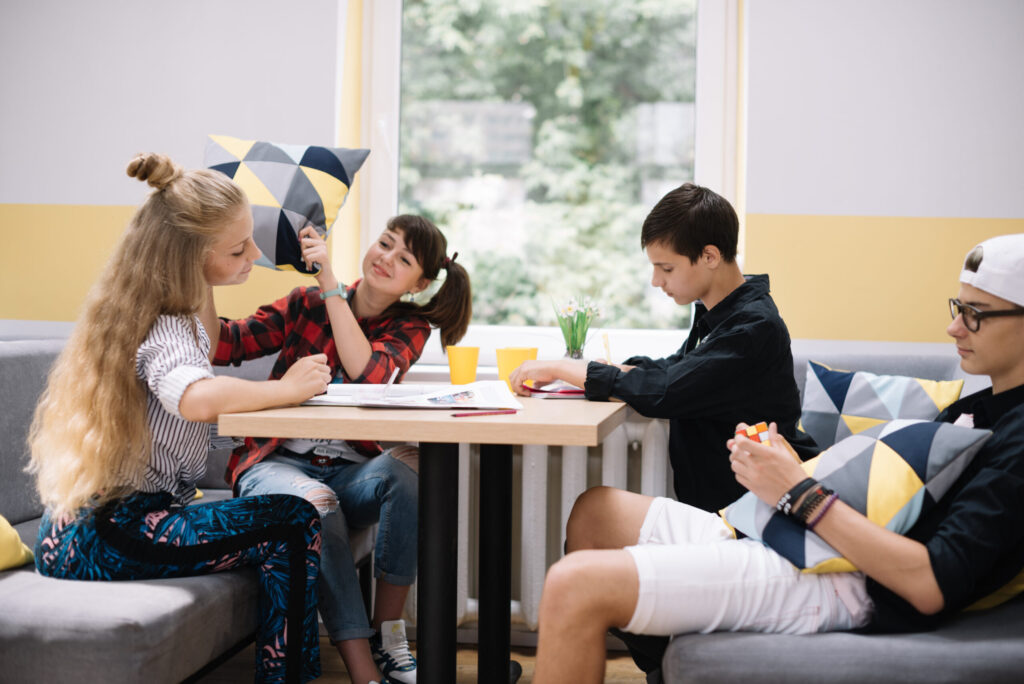
Social skills training is one of the most effective interventions for individuals with Autism Spectrum Disorder (ASD). Since challenges in social communication and interaction are considered core features of autism, providing structured training in these areas can make a life-changing difference. From improving peer relationships to supporting long-term independence, social skills training helps individuals with autism thrive across multiple stages of life. Addressing Core Social Communication Challenges Children and adults with autism often face difficulties in reading nonverbal cues, starting and sustaining conversations, or understanding the give-and-take of social interaction. Without explicit teaching, these challenges can create barriers to daily communication. Social skills training for autism provides step-by-step guidance and structured practice, helping participants learn eye contact, turn-taking, and how to interpret body language. Facilitating Peer Relationships and Social Inclusion Developing friendships is not only about play — it is essential for psychological wellbeing and inclusion in school, work, and community. Social skills intervention teaches cooperative play, group participation, and reciprocal communication. These strategies promote peer acceptance and open doors to more meaningful social connections, reducing the risk of isolation. Reducing Social Anxiety and Building Confidence Many individuals with autism experience high levels of social anxiety. Uncertainty about how to behave, or misinterpreting social rules, can lead to avoidance of group settings. Social skills training offers clear strategies and repeated opportunities to practice in safe environments. This reduces stress and builds the confidence needed to handle real-life social situations, from classrooms to workplaces. Supporting Emotional Regulation and Empathy A key part of social skills training is learning to recognize and manage emotions. By identifying feelings in themselves and others, individuals with ASD can improve emotional regulation, strengthen empathy, and resolve conflicts more effectively. These abilities are essential for building resilience and maintaining positive relationships. Enhancing Long-Term Adaptive Outcomes Research consistently shows that strong social skills are linked to higher educational achievement, better employment opportunities, independent living, and improved quality of life. Social skills training is therefore not just about short-term improvements — it lays the foundation for long-term adaptive functioning and success in adulthood. Conclusion Social skills training for autism is more than a therapeutic tool — it is an essential pathway to empowerment, independence, and social inclusion. By addressing communication challenges, reducing anxiety, and enhancing peer connections, these interventions provide individuals with ASD the confidence and ability to participate fully in everyday life. If you are a parent, educator, or therapist seeking effective autism interventions, exploring social skills training can be one of the most impactful steps toward long-term success.
Social Skills Support Group for Children with Special Needs

At Viangelic, we understand that every child learns and communicates in their own unique way. Many children with Autism, ADHD, and other developmental needs face challenges in building friendships, managing emotions, or participating in group settings. Our Social Skills Support Group is designed to help children develop the confidence, communication, and social understanding they need to connect with others and thrive in everyday life. Why Social Skills Training Matters For children with special needs, social situations can sometimes feel confusing or overwhelming. Difficulties with turn-taking, reading social cues, or managing big feelings may impact their ability to make and keep friends. Our program provides a safe, supportive, and engaging environment where children can practice these skills step by step, with guidance from experienced facilitators. What Children Will Learn Through fun, interactive activities, role-play, and group games, children build: Communication skills – learning how to start and continue conversations, ask for help, and listen to others. Friendship skills – sharing, cooperating, taking turns, and building positive peer relationships. Emotional regulation – recognising feelings, using calming strategies, and coping with frustration or anxiety. Problem-solving skills – resolving conflicts, understanding different perspectives, and making good choices. Confidence & independence – celebrating successes and building self-esteem through practice and encouragement. Supporting NDIS Goals As an NDIS-registered provider, our Social Skills Support Group aligns with common NDIS goals, such as: Increasing social and community participation Building independence and daily living skills Improving communication and relationships Enhancing emotional wellbeing Why Families Choose Viangelic: Social Skills Support Group Specialised for children with Autism, ADHD, and diverse needs Small group sizes to ensure every child feels supported Qualified and caring facilitators experienced in working with children with special needs Evidence-based approach combining structured teaching with fun, engaging activities Who Can Join? The group is designed for children with special needs, including Autism and ADHD, who would benefit from structured social learning. Groups are arranged according to age and developmental level so each child feels comfortable and supported. Join Us at Viangelic If your child is an NDIS participant and could benefit from building stronger social connections, we invite you to explore our Social Skills Support Group at Viangelic. Contact us today to learn more about upcoming sessions, enrolment, and how we can support your child’s growth.